First day at a conference, you arrive...
First day at a conference, you arrive. Maybe to a city that you have never visited before. On your way to campus, you make a mental note: "that’s the monument I read about that I should visit" and "that’s the local restaurant my colleague told me about". You tell yourself you’ll definitely have time to explore later. Deep down, you already know that probably won’t happen.
You arrive at the conference venue and immediately recognise some familiar faces. Or maybe not. Maybe the first people you bump into are ones you have never met before. Or maybe you have only come across them through their LinkedIn profile. It’s fine, it’s a Monday morning and, in case you forgot, still the first day of the conference, so you are full of energy and your social battery is fully charged. You register, get your name badge, maybe even one of those old-fashioned printed programmes - you are committed to saving as much paper as possible, but kind of miss the feeling of taking notes on your programme and drawing a massive circle around those sessions you know you would like to attend. You sort of promise yourself not to lose it.
With a fresh coffee cup in your hand, you head to the first workshop. The speakers are very good and you already have a few ideas you will be bringing back to your team. Lunchtime - goodness, you did not realise how hungry you were! Keynote session, science talks. Another coffee break - who would have thought that you would end up talking to that person you saw coming from the train station earlier today? Dinner, social time. It’s already 7pm and you are exhausted.
On your way to the exit, you suddenly overhear some of the conversations at the registration desk:
“One of your speakers couldn’t make it in the end? No worries, we will update the website.”
“Can someone please update the catering numbers for tomorrow?”
“We will find a meeting room for your team, no problem.”
And suddenly, it hits you. While you’ve been enjoying the day, a group of people has been making sure that every room was ready, every speaker knew where to go and every last-minute problem had a solution before most people even knew. And that is when you wonder how much work goes into making a conference feel effortless.
What I Didn’t Notice Before
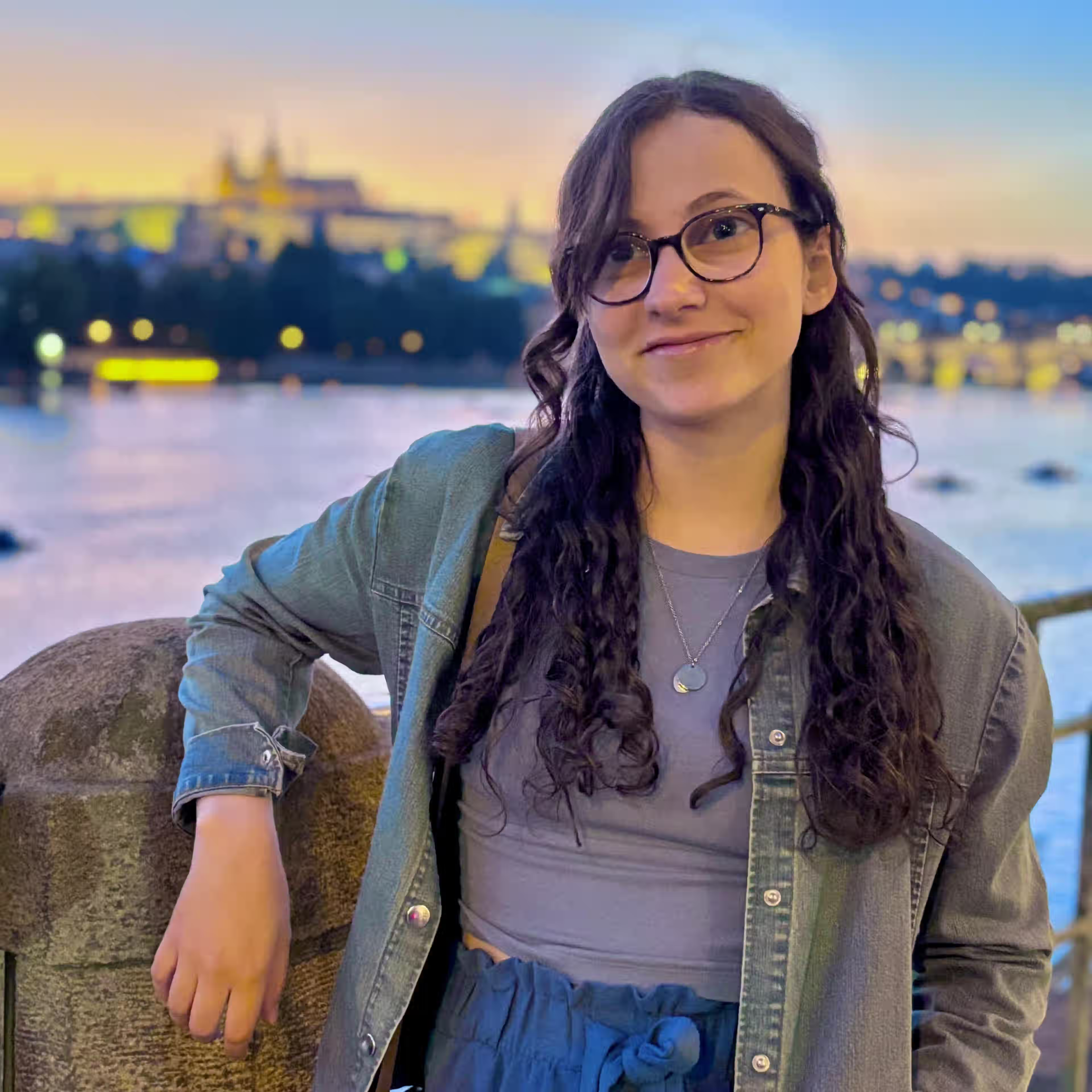
Hi, I’m Eva, and this retelling is a fairly accurate description of what could have been going through my mind at a conference I attended a year ago. When I used to attend these events, I sometimes took for granted the amount of work that goes into them, and how much of a difference it makes to the overall experience.
A little over a year ago, I had the opportunity to help with the hybrid setup of Durham HPC Days 2025. Having never been involved with this conference before, it was a great introduction to the community (and my first real contact with the Digital Research Infrastructure landscape, which would later shape my current role in the community). After that, I had the opportunity to work more closely with the Durham and CAKE teams to help bring Durham HPC Days 2026 to life.
Durham HPC Days started as a small reunion of colleagues, and as a result, its organisation has traditionally stayed within the community and operated in a fairly informal way. However, the growing level of interest over the past few years has clearly pushed it towards a more structured, professional conference format.
There are many aspects of the conference we could talk about, but today I would like to take you behind the scenes. Here are a few things I discovered after joining the organising team, together with some fun facts and little details that you might have missed during this year's conference.
Did you know that...?
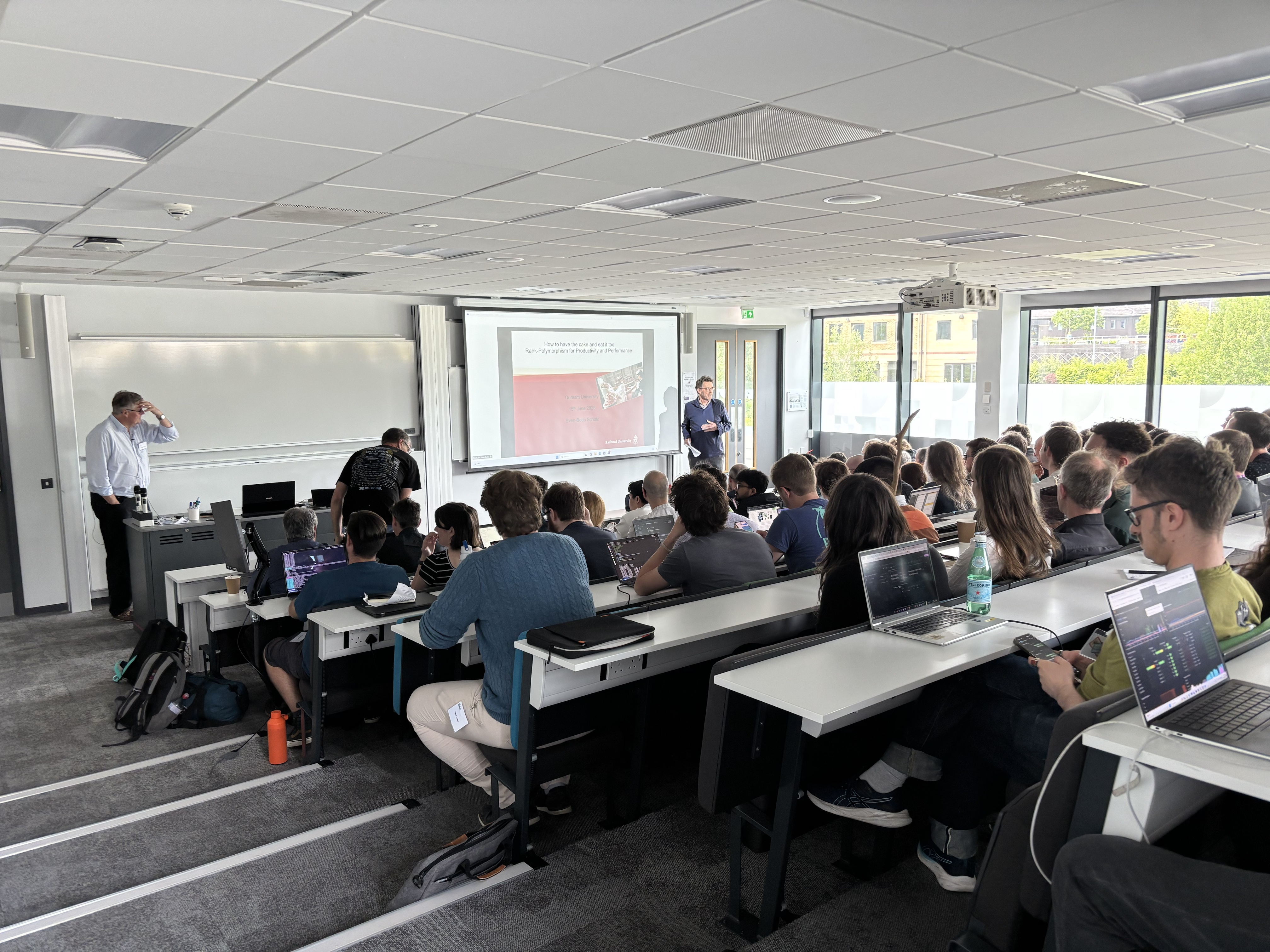
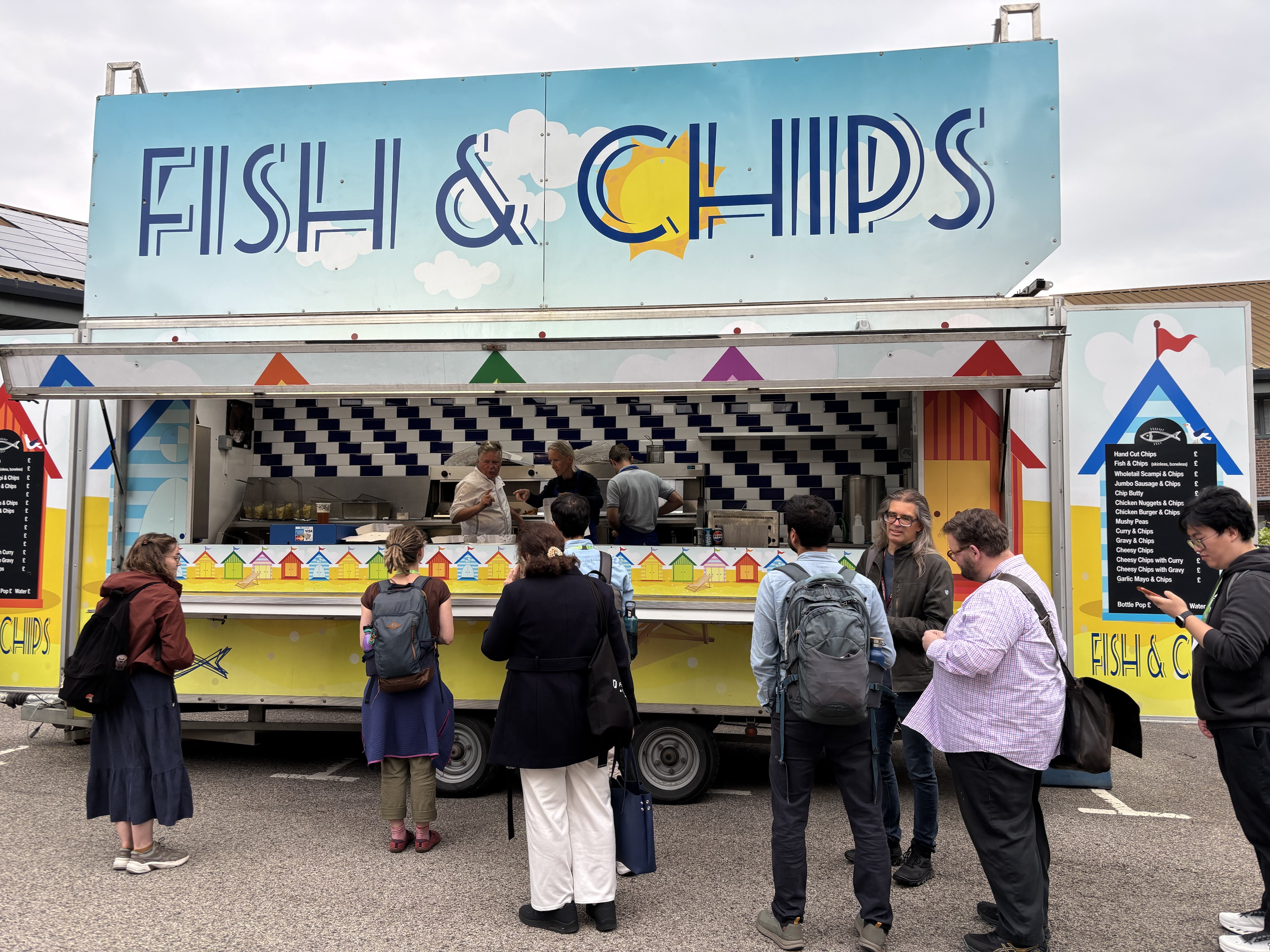
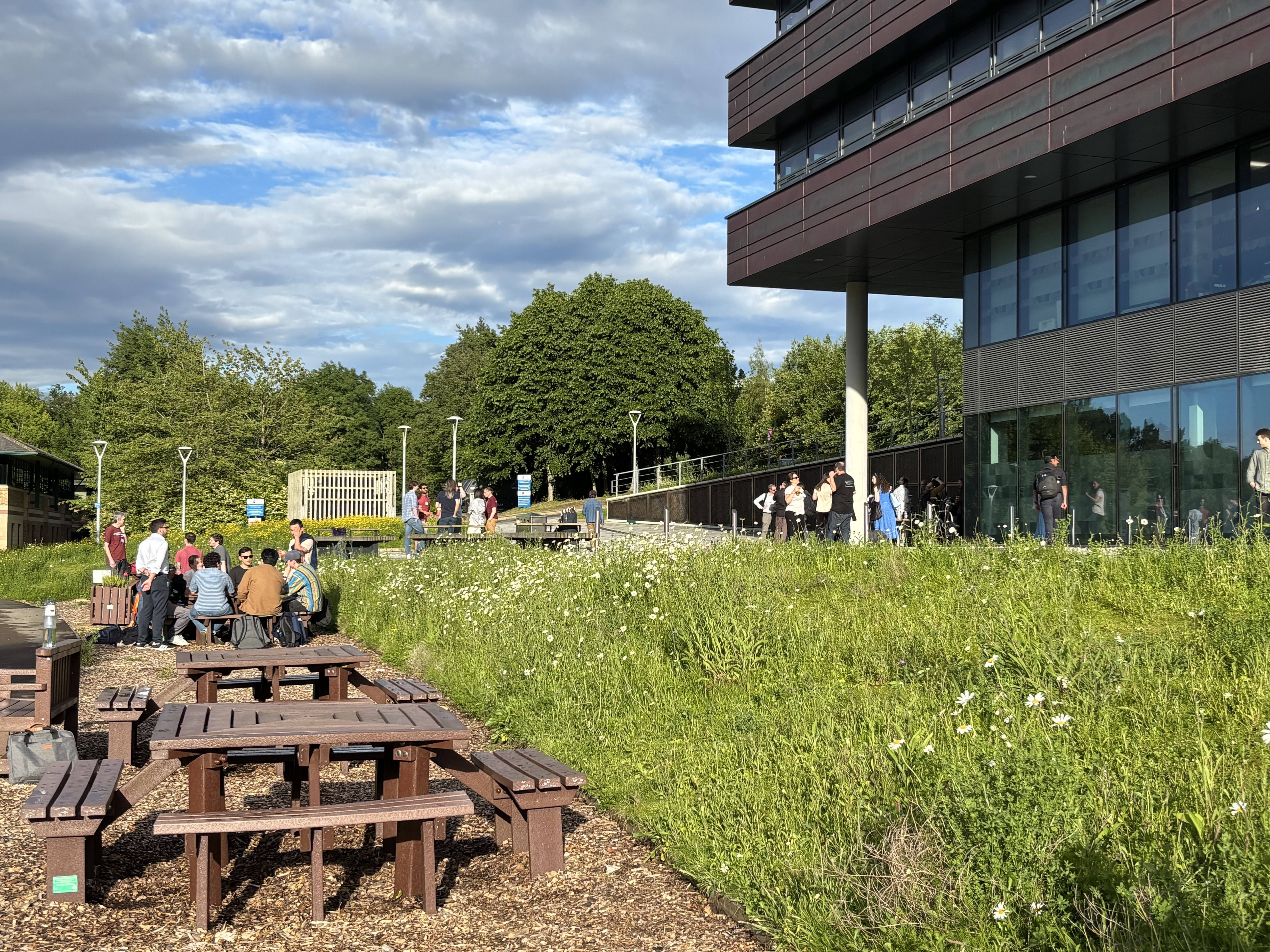
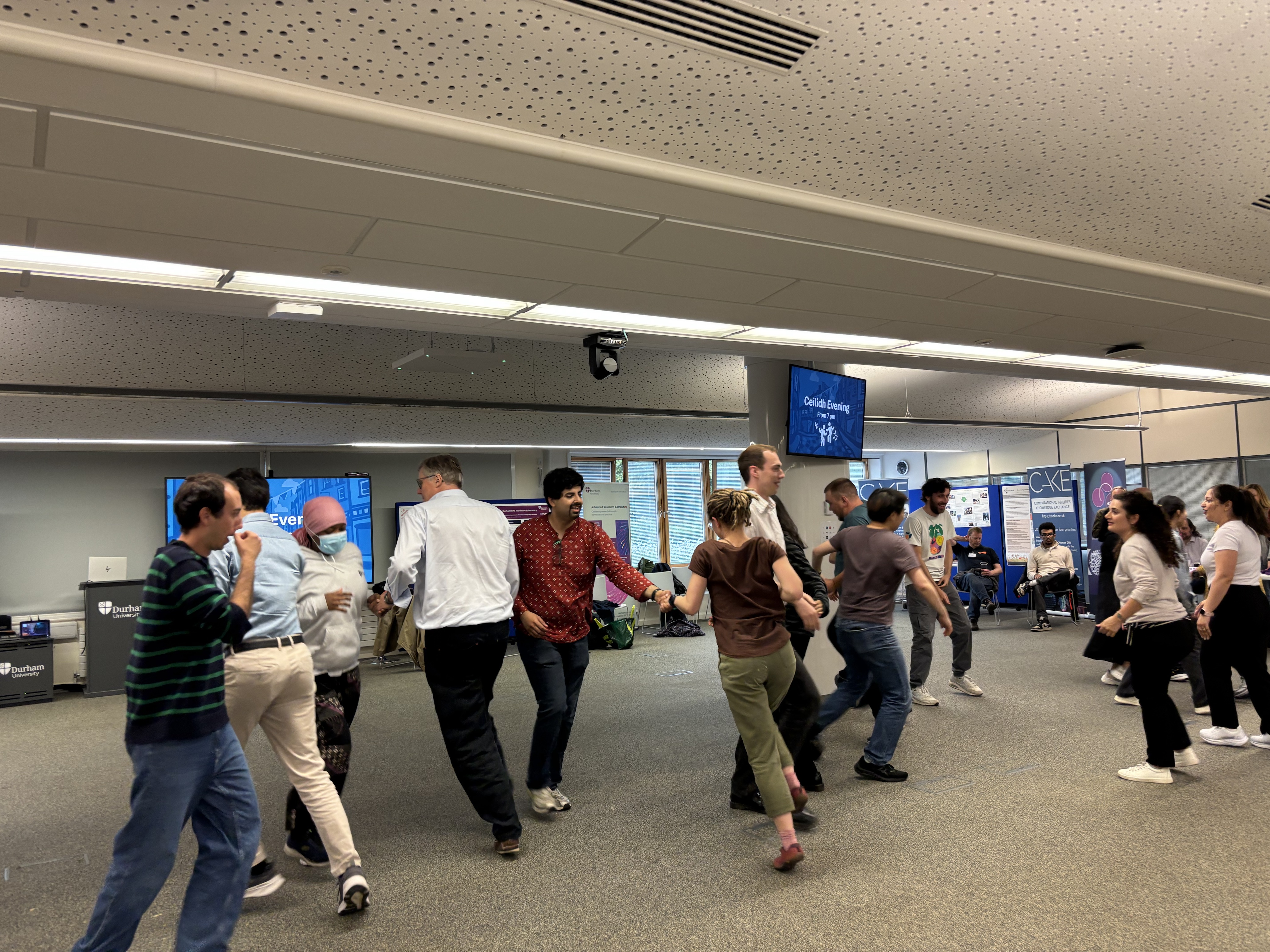
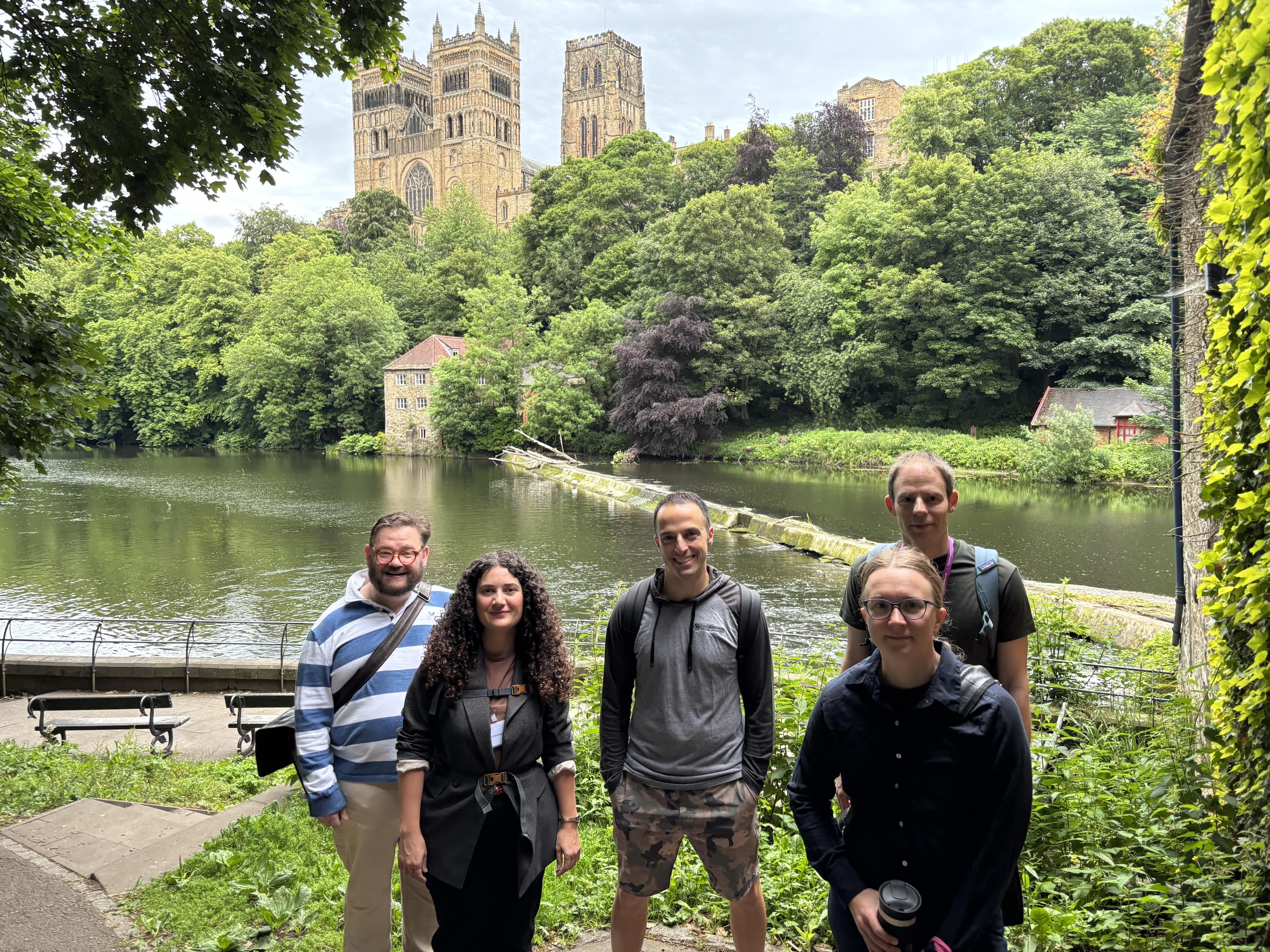
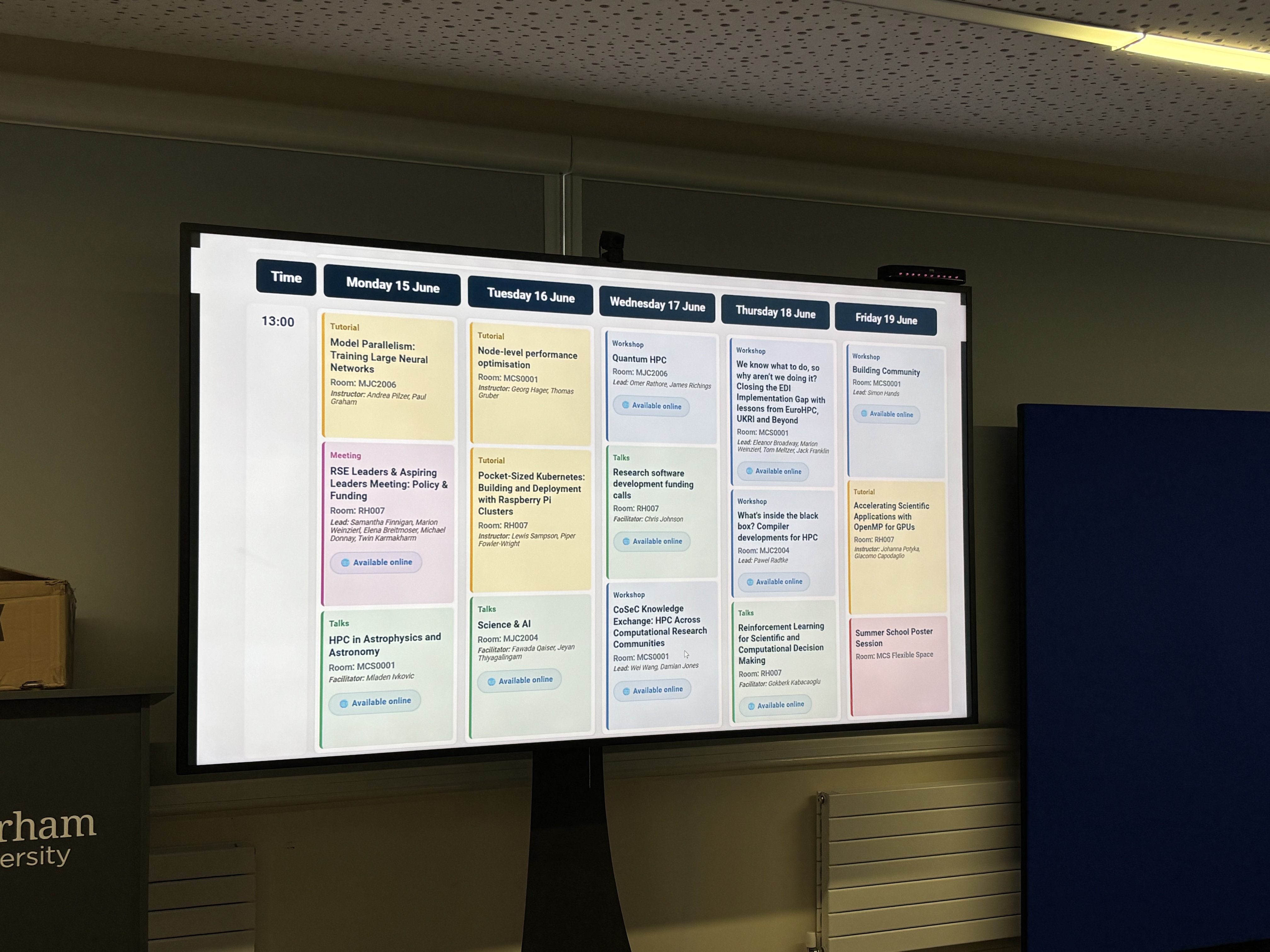
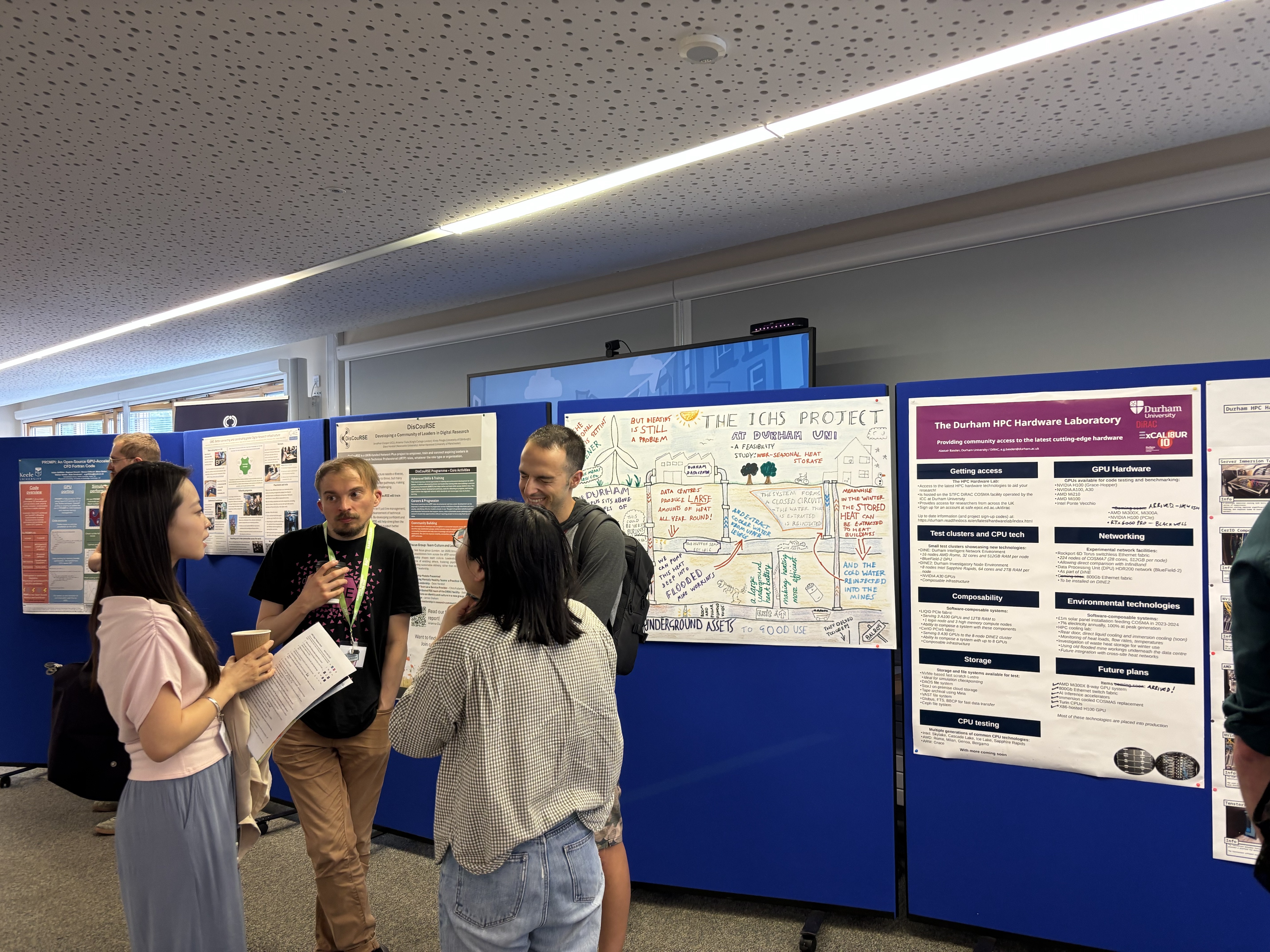
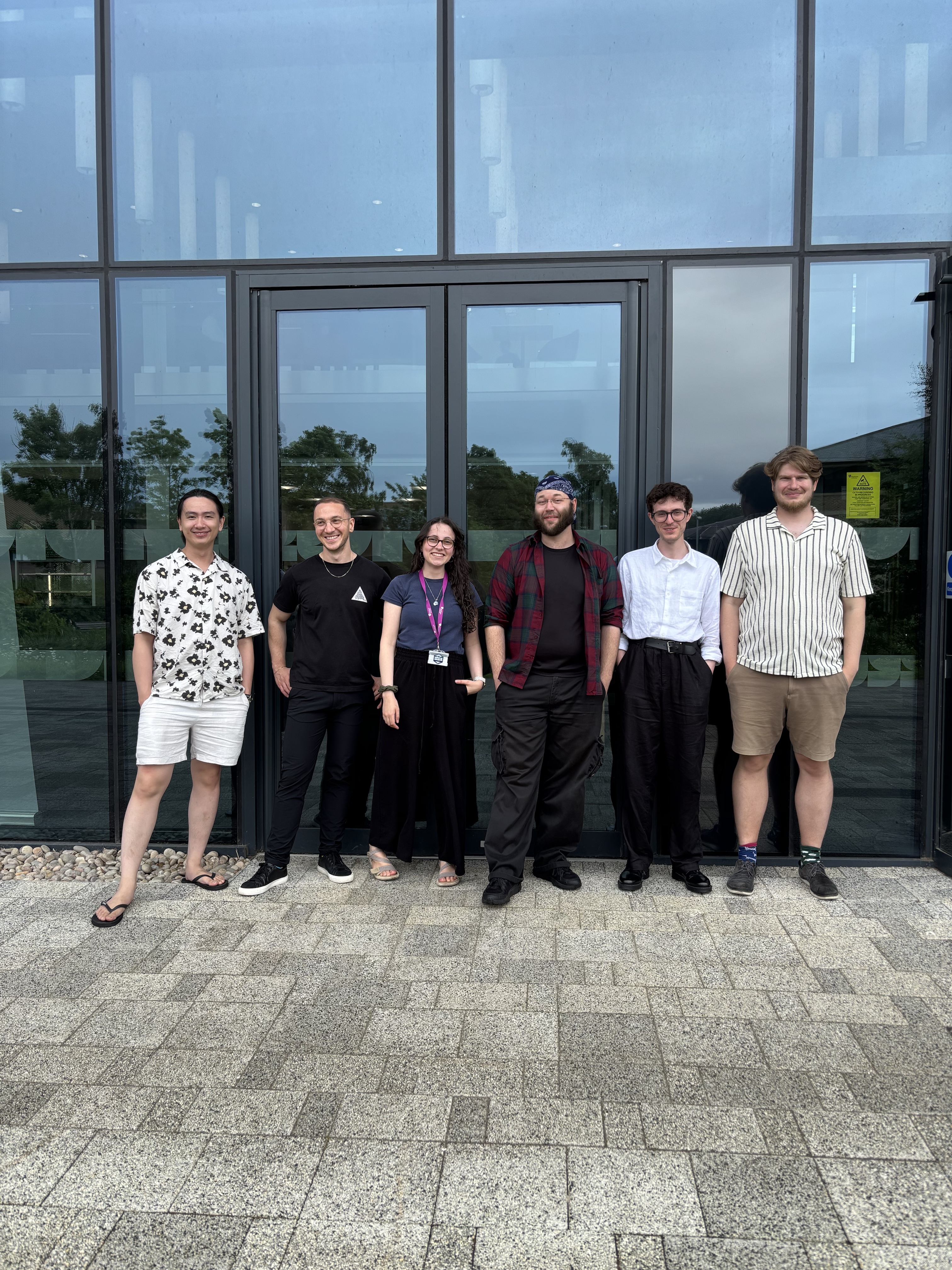
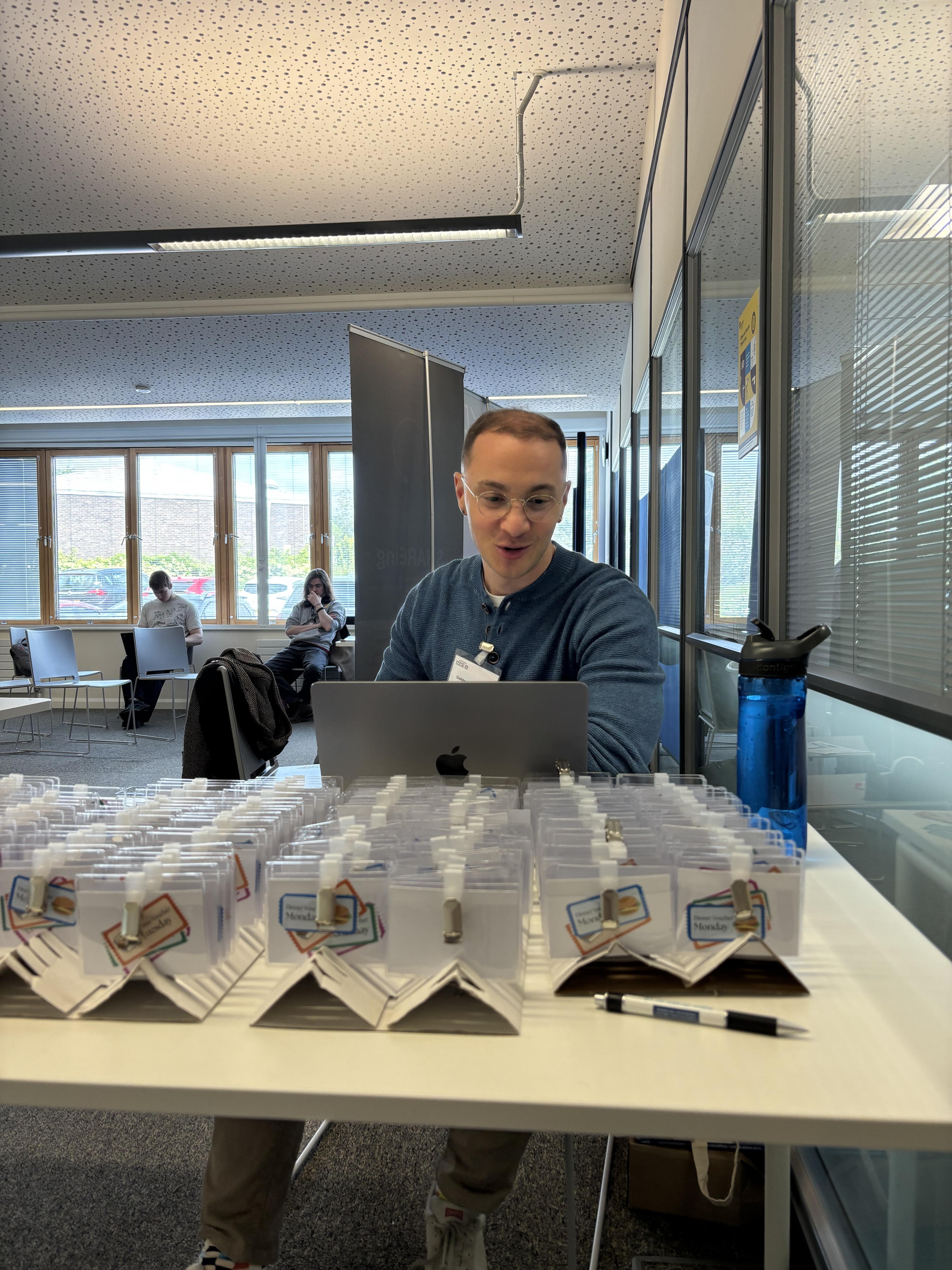
None of the above are probably mind-blowing revelations, but they are the small details that make an event like Durham HPC Days feel smooth, welcoming and, hopefully, memorable. Most attendees will never notice them - and that's kind of a sign that everything has gone to plan.
So, what's next for Durham HPC Days? Well, we don't have all the answers yet. What we do know is that we want to keep bringing the community together, creating opportunities for people to share ideas, start collaborations and meet new faces.
After all, I am sure of one thing: the next time I arrive at a conference as an attendee, I'll look at the registration desk - and all the volunteers running around behind the scenes - a little differently.